
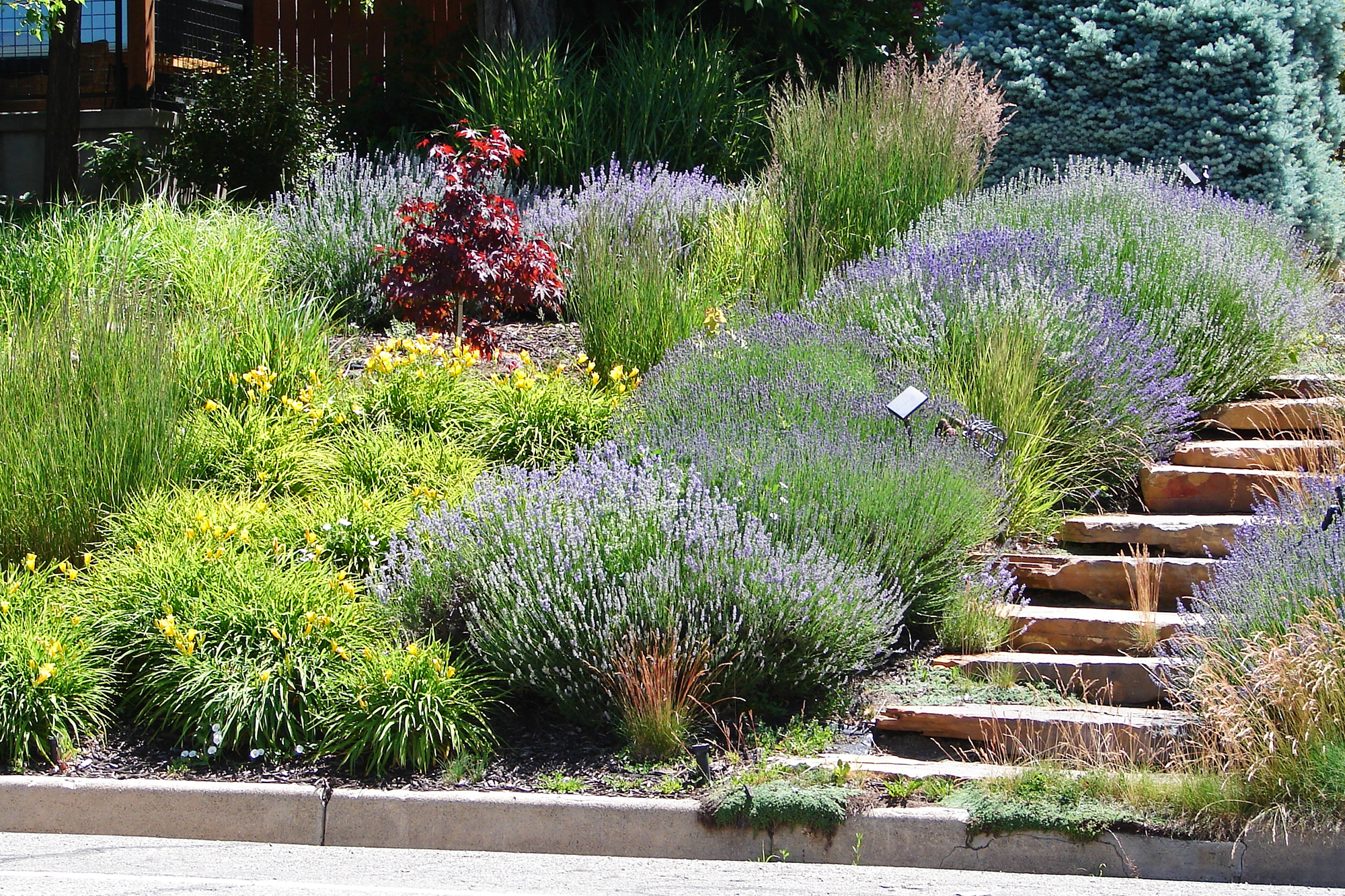
Landscape design for public parks works best when it plans for heavy use, limited water, and long-term care from the first sketch. For community parks in the Denver metro area, we recommend durable turf where people play, water-wise plantings in low-traffic corners, irrigation zoned by plant need, and trees a crew can look after for over decades. Since 2007, our team has cared for HOA and commercial properties across the Front Range. We are licensed through the Colorado Department of Agriculture and handle irrigation repair, plant healthcare, and weed control year-round, so we see how each design choice holds up long after installation.
Why Landscape Design for Public Parks Shapes Community Value
Parks are an important third space people use to unwind, relax, play sports, and connect with friends, and the numbers show how much people rely on them. The National Recreation and Park Association’s 2024 Engagement With Parks Report found that 82 percent of U.S. adults, more than 276 million people, visited a local park or recreation facility in the year ending July 2024.
Those visits add up for local economies. NRPA’s Economic Impact of Local Parks report traced nearly $201 billion in economic activity to park agency spending in 2021, with Those visits add up for local economies. NRPA’s Economic Impact of Local Parks report traced nearly $201 billion in economic activity to park agency spending in 2021, with Colorado ranking sixth at about $7 billion.
HOA boards and metro district managers see the same pattern on a neighborhood scale. When they ask us about the benefits of commercial landscaping, we start with two. A well-designed park draws residents outdoors more often, and good landscape design for public parks helps prevent surprise repairs that strain a budget.
According to the U.S. Environmental Protection Agency, a review of 308 studies found urban forests were about 3°F cooler on average than nearby non-green areas.
How Colorado Water Rules Shape Landscaping for Parks
Colorado’s Senate Bill 24-005, signed in March 2024, prohibits installing nonfunctional turf, artificial turf, and invasive plant species on new and redeveloped nonresidential properties starting January 1, 2026. Covered property includes commercial, institutional, and industrial sites, along with common interest community areas managed by HOAs, according to a Western Resource Advocates analysis.
The law also recognizes appropriate uses for turf, including civic, community, and recreational spaces such as parks, sports fields, and playgrounds. We know new rules can feel like one more thing on a board’s plate. In practice, landscaping for parks now starts with a simple map of where grass supports active use and where water-wise plantings can take its place. We also suggest checking local codes with your city and water provider before plans are final.
Water-wise plants we see perform well along the Front Range include:
- Blue grama, Colorado’s state grass, for low-water turf areas
- Buffalograss for sunny, lightly used lawns
- Little bluestem for seasonal color and texture
- Rocky Mountain penstemon for pollinator-friendly beds
- Common hackberry and bur oak for drought-tolerant shade
Six Elements of Landscape Design for Public Parks
Every park has its own soils, slopes, and quirks, and learning them takes a little patience. Wherever your park is starting from, these elements give landscape design for public parks in Colorado a dependable foundation.
1. Functional Turf in High-Use Areas
Turf belongs where residents play catch, picnic, and gather. Sizing these areas to match how people use them keeps grass healthy and aligns new installations with state water-wise rules. Well-sized turf also makes mowing and aeration easier for a commercial lawn care crew.
2. Irrigation Zoned by Plant Need
Turf, shrubs, and trees each need different amounts of water. In landscape design for public parks, separate irrigation zones let a crew deliver the right volume to each area, which limits runoff, dry spots, and waste.
Smart Controllers and Seasonal Scheduling
Weather-based controllers change run times based on local conditions. Paired with spring start-ups and fall blowouts, they protect plants and equipment. Our commercial irrigation maintenance team handles these tasks for community properties every year.
3. Shade Trees Placed for Comfort
Shade is one of the features residents value most in landscape design for public parks. The EPA reports that urban trees can absorb 15 to 27 percent of annual rainfall, which eases stormwater runoff. Species suited to Colorado’s dry, alkaline soils can thrive for decades. A plant healthcare program keeps those trees strong through drought, pests, and storms.
4. Water-Wise Planting Beds
Planting beds offer an easy place to save water. Native and adapted perennials, grasses, and shrubs need little irrigation once their roots settle, and many draw pollinators. Grouping them by sun and water needs keeps each bed thriving, and a spring layer of mulch holds moisture in.
5. Durable Paths
Well-built paths protect the rest of the park; in other words–when walkways lead people toward playgrounds and benches, foot traffic stays off the turf and beds you’ve worked so hard to maintain.
Pro Tip
Utilizing clean edging along paths saves trimming time and keeps mulch off the pavement.
6. A Maintenance Plan From Day One
The strongest landscape design for public parks accounts for who will care for the site after installation. Mowing patterns, snow storage, equipment access, and pruning schedules should all inform the layout. A comprehensive commercial landscaping service can carry a design from installation through years of upkeep, including seasonal landscape enhancements as your community’s needs change.
“[Absolute Lawncare] take[s] great care of our community. Very pleasant folks to work with.”
— Colin J.
Questions to Ask Before Choosing a Park Maintenance Partner
Many boards start the process by searching for “commercial lawn maintenance companies near me” in Google. While this is a great start (and you’ll surely be met with a list of several different reputable companies), the following questions can help you narrow down your list so you find the best fit for your needs:
- Are you licensed for pesticide application? Businesses that apply pesticides for hire in Colorado must hold a commercial applicator license from the Colorado Department of Agriculture.
- How do you handle irrigation? Look for start-ups, repairs, winterization, and clear reports.
- Who will be our point of contact? Knowing who you are working with makes decisions easier for everyone.
- Can you support the property year-round? Mowing, fertilization, pruning, and HOA snow removal under one contract simplify coordination for property managers.
- Will you walk the property with us? An in-person visit leads to an honest, accurate bid and a clear scope of work.
Landscaping for Parks With a Local Partner
Landscape design for public parks succeeds when planning and maintenance work together over the many seasons Colorado has to offer. Absolute Lawncare serves HOA communities and commercial properties in Littleton, Centennial, Highlands Ranch, Lone Tree, Parker, Lakewood, and southwest Denver. We listen first, offer our professional advice along the way, and treat every contract as the start of a long-term relationship. We have ample experience working closely with boards, and we can also take the full workload off your plate if that better suits your needs.
If your community is thinking about its landscaping for parks and shared green spaces, call us at (720) 251-0313 or request a quote here to schedule an in-person walk of your property.