
Winter prep for corporate grounds comes down to six tasks: walk the property, clear debris, prune shrubs, protect plant beds from ice melt, winterize the irrigation system, and schedule fall plant health care treatments. Tackling this list before the first heavy snow ensures entrances stay safe for employees and visitors and helps the landscape come back healthy in spring.
For office parks, corporate campuses, and commercial buildings across South Denver, the landscape is part of the daily experience for everyone who arrives on site. Absolute Lawncare has cared for commercial and HOA properties in the area since 2007, and the checklist below walks through the steps we recommend each fall.
Why Winter Prep Matters in Landscaping for Commercial Buildings
Winter prep on corporate grounds benefits the people who use them every day. Many employees arrive and leave in low light during the winter months, and visitors and delivery drivers may be on the property for the first time. Everyone needs a clear, predictable route from the parking lot to the door.
Wet leaves make walkways slippery, and water that collects in low spots near entrances can refreeze overnight after a sunny afternoon, making it an accident waiting to happen. Fall is the easiest time to correct these issues, before the ground freezes and crews turn their attention to storm response. A comprehensive commercial landscaping service keeps this work on one schedule, with a team that knows your site and its trouble spots well
Your Winter Checklist for Corporate Grounds
Use the six steps below as a starting point for your property. Schedule each one in the fall so the grounds are ready before the first major storm.
1. Walk the Property Before Winter
Start with a walkthrough of the full site. Look at main entrances, sidewalks, parking lot islands, and any spots where water collects and freezes. Note shrubs that hang over walkways, plant beds that sit right next to treated pavement, and curbs or edges a plow operator may have trouble seeing under snow.
Bringing your landscape provider on this walk gives both teams the same picture of the property. Absolute Lawncare offers in-person walkthroughs for commercial properties, and our crews provide proactive reporting so you always know what was completed on site.
2. Clear Leaves and Debris
Leaves, pine needles, and fallen branches left in place through winter can cover turf and plant beds and collect around drains. Clearing them before snow arrives keeps the grounds tidy and gives snow crews a clean surface to work on.
If your fall prep is already underway, check that the beds along entrances and walkways received a final cleanup. Our commercial lawn care services include fall cleanup with leaf removal, pine needle removal, and regular and winter debris cleanup to keep corporate grounds looking sharp between storms.
3. Prune Shrubs Before Snow
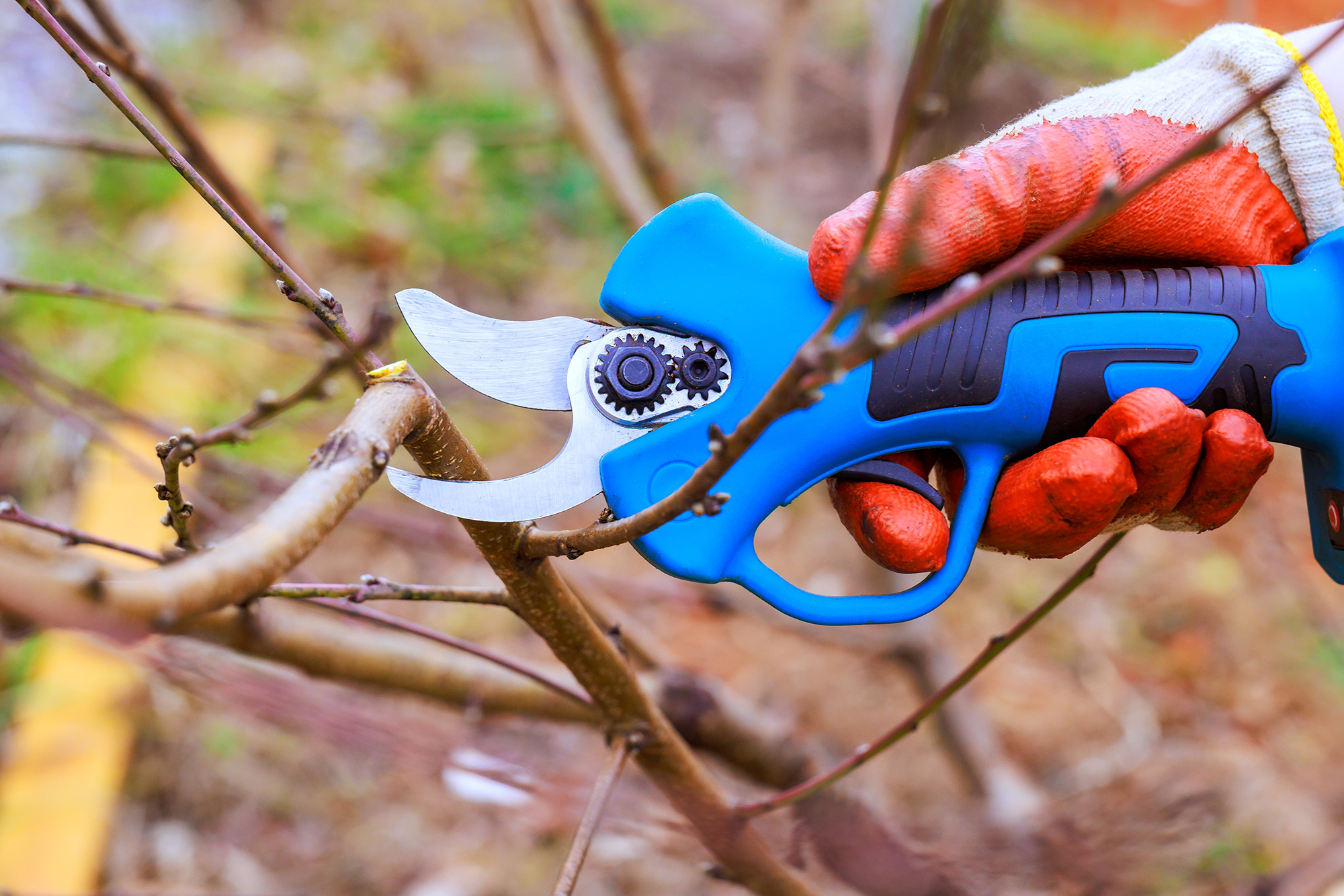
Shrubs that grow into sidewalks and entryways catch snow, narrow the path, and are more likely to get hit by shovels and snow equipment. Trimming them back before winter keeps walkways open and gives crews room to work.
4. Shield Plants From Ice Melt
Ice melt keeps walkways safe for employees and visitors, and some of it can end up in the plant beds right next to them. A good approach to using deicing salts around landscape plants starts with clearing as much snow and ice as possible, then applying only the amount of product the surface needs. Magnesium chloride and calcium chloride are less harmful to plants than sodium chloride, and any deicer can cause damage when over-applied.
Snow placement deserves the same attention. The City and County of Denver asks property owners to keep snow out of gutters and streets and to place it on lawn areas where available. Before the season starts, agree with your snow team on where piles will go, so salty snow lands on turf and away from shrub beds and evergreens. Iowa State also recommends a thorough soaking once the ground thaws in spring to help flush salt from the root zone.
5. Winterize the Irrigation System
Water left in irrigation lines can freeze and damage pipes, valves, and backflow components. A fall blowout clears the lines before temperatures drop for the season. Commercial sites should also plan for backflow security, since backflow preventers are a common target for theft. A protective cage helps you avoid the cost and downtime of an emergency replacement.
Absolute Lawncare handles fall blowouts, spring turn-ons, and repairs for commercial systems. For a full step-by-step breakdown, see our commercial irrigation winterization checklist.
6. Apply Winterization Treatments
Before the season closes out, review which treatments belong on your property’s schedule. Our plant health care program includes winterization along with turf fertilization, fungicide treatments, and weed control used throughout the year.
With two licensed pesticide applicators on staff, our team applies state-compliant treatments to keep turf, trees, and shrubs healthy through Colorado’s changing weather. Ask our team which treatments fit your site before winter sets in.
Property Management Landscaping That Keeps Offices Open All Winter
For facility and property managers, winter landscaping is closely tied to access. Employees, tenants, clients, and delivery drivers all need a clear path from the parking lot to the front door, and good property management landscaping plans for that path before the first storm.
In Denver, sidewalk rules for businesses are strict. The City and County of Denver requires businesses to begin clearing sidewalks, including adjacent ADA ramps, as soon as snow stops falling. Inspectors leave a time-stamped notice at properties with unshoveled sidewalks, and businesses then have four hours before a re-check. Surrounding cities set their own timelines, so check the rules for each property you manage.
In Denver, businesses must begin clearing sidewalks as soon as snow stops, and they have four hours after a city notice before re-inspection.
Keep Your Commercial Grounds Ready All Winter
A well-prepared property makes a strong first impression in January as much as in June. Working through this checklist in the fall protects your landscape investment and gives employees and visitors a safe, welcoming arrival all season long.
A provider that handles both the landscape and winter weather keeps the whole site under one plan. Our snow removal service covers plowing, shoveling, and ice mitigation for commercial lots, sidewalks, and entryways, with 24/7 storm and winter emergency response support. Equipment like the Snowrator helps crews clear narrow paths and tight spaces efficiently. Setting up a seasonal snow removal contract in Denver before winter arrives gives property managers a predictable monthly rate for plowing, sidewalk clearing, and ice management across the season.
Frequently Asked Questions
When should commercial properties start winter landscape prep?
Start in the fall, after most leaves have dropped and before the first heavy snow. Scheduling debris cleanup, shrub pruning, and irrigation blowouts early gives crews time to finish before winter weather sets in.
Can ice melt damage commercial landscaping?
Yes. Deicing salt can build up in the soil and damage trees, shrubs, perennials, and turf. Using only as much product as needed and keeping salt-laden snow away from plant beds both help reduce damage.
Who is responsible for clearing sidewalks at a commercial building in Denver?
Denver requires property owners or tenants to clear the sidewalks next to their property, including adjacent ADA ramps. Businesses must begin clearing as soon as snow stops falling.