
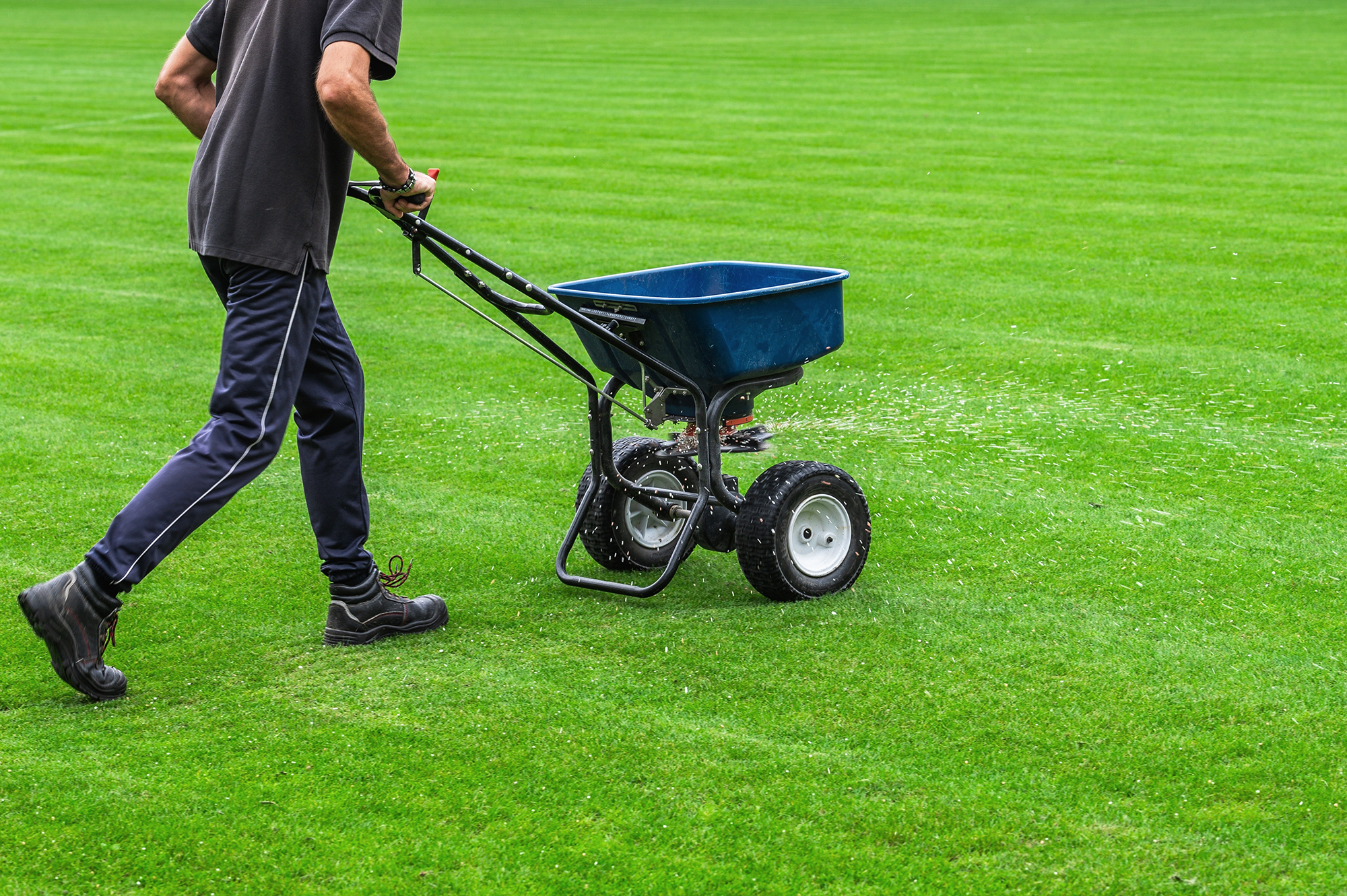
Comparing basic mowing vs. plant healthcare comes down to surface maintenance versus deep root and soil preservation. Standard mowing keeps grass cut to a uniform height, while integrated plant healthcare uses licensed soil fertilization, pre-emergent weed barriers, and targeted pest mitigation to keep trees, shrubs, and turf healthy. Commercial properties require both strategies to prevent costly plant replacements and maintain long-term curb appeal.
Colorado Turf Fact: High-altitude UV exposure, rapid soil moisture evaporation, and dense Front Range clay soils mean grass roots require up to 50% more soil aeration and deep-root nutrition than Midwest or coastal turf to remain resilient during summer heat spikes.
Why Understanding Mowing vs. Plant Healthcare Matters for Property Values
Choosing between basic mowing vs. plant healthcare is one of the most critical decisions a property manager or board makes when structuring a grounds maintenance contract. Basic lawn cutting focuses entirely on aesthetics above the soil line. While weekly trimming keeps turf neat, it does not address underlying soil compaction, nutrient deficiencies, or invasive pest infestations.
Integrated plant healthcare focuses on the biological health of the entire landscape. By treating soil chemistry, feeding root networks, and controlling destructive insects like Japanese beetles or spider mites, property owners protect their living investments from premature decline. Reviewing the broader benefits of commercial lawn management demonstrates how combining turf cutting with scientific plant care yields higher property retention and lower long-term landscape repair costs.
Key Differences Between Surface Mowing and Full Plant Healthcare
Understanding how routine lawn care differs from specialized plant healthcare helps property managers build comprehensive service scopes:
1. Above-Ground Appearance vs. Below-Ground Root Strength
Routine mowing limits grass height to encourage lateral growth, but repeated cutting depletes plant energy reserves. Integrated plant healthcare restores these reserves by delivering essential nitrogen, phosphorus, and potassium deep into the root zone. Proper soil nutrition ensures grass remains thick enough to naturally crowd out opportunistic weeds.
2. General Maintenance vs. Licensed Chemical Diagnostics
Standard crew members are trained to operate commercial mowers and string trimmers safely. In contrast, specialized treatments require technical expertise. Having plant health care managed by two licensed pesticide applicators on staff guarantees that broadleaf weed sprays, fungicides, and dormant insect treatments meet strict Colorado Department of Agriculture safety and environmental standards.
3. Reactive Weed Removal vs. Proactive Pre-Emergent Protection
Basic landscape services often pull weeds after they appear in rock beds or common areas. Integrated plant healthcare applies pre-emergent barriers in early spring and autumn to stop weed seeds from germinating in the first place. Preventing weed outbreaks preserves soil moisture and protects ornamental beds from aggressive root competition.
4. Basic Turf Cutting vs. Total Landscape Asset Protection
Mowing applies strictly to turf areas. Plant healthcare encompasses every living asset on the property, including mature shade trees, ornamental shrubs, and flowering perennials. Applying targeted sprays protects costly evergreen trees from spider mites and guards turf against destructive grubs, preventing expensive plant removal and replacement projects later.
Compliance & Safety Standard: Applying pesticides or selective herbicides on commercial and HOA common grounds in Colorado requires licensed supervision. Absolute Lawncare maintains two licensed pesticide applicators on staff to ensure full regulatory compliance and precise application rates.
4 Ways Integrated Plant Healthcare Maximizes Your Landscape ROI
Combining routine mowing with specialized plant protection delivers measurable financial and operational advantages for commercial sites:
- Eliminate Unexpected Plant Replacement Costs: Routine health inspections catch tree fungal diseases and turf pests early, saving thousands of dollars in mature plant replacements.
- Improve Water Efficiency: Applying targeted soil conditioners improves moisture absorption in Front Range clay soils. Boards exploring Colorado xeriscaping for commercial properties can pair soil conditioning with water-wise turf zones to cut utility expenses significantly.
- Upgrade Property Curb Appeal: Healthy, vibrant greenery enhances tenant retention and attracts prospective buyers. Property managers can explore types of landscape enhancements to further elevate entryways and common area aesthetics.
- Simplify Vendor Oversight: Partnering with a full-service provider eliminates the hassle of hiring separate mowing crews and chemical applicators. Understanding what to look for in a commercial lawn mowing company ensures you choose a partner capable of executing both routine mows and technical plant treatments seamlessly.
4 Steps to Build a Complete Commercial Landscape Contract
Property managers preparing an RFP or reviewing current vendor bids should follow these four steps to ensure balanced grounds coverage:
- Require a Written Scope for Both Services: Ensure your contract explicitly separates weekly mowing schedules from seasonal fertilization, aeration, and weed abatement visits. Reviewing a complete guide to choosing commercial lawn maintenance companies helps clarify standard line-item inclusions.
- Verify Licensing and Insurance Credentials: Confirm that the company holds active state applicator licenses and carries appropriate commercial liability coverage before chemical applications begin.
- Establish Clear Vendor Interview Questions: Use a proven list of questions to ask an HOA landscaping contractor to verify crew training, supervisor availability, and emergency response capabilities.
- Align Services with Specific Layout Needs: Tailor your scope to site density. High-traffic multi-family properties benefit from dedicated landscape maintenance for condos, while large residential communities require specialized commercial landscaping services for apartment communities to manage shared parks and dog areas effectively.
Upgrade Your Commercial Grounds Care Strategy Today
Evaluating mowing vs. plant healthcare highlights why sustainable grounds management requires more than just cutting grass. Combining weekly mowing precision with licensed plant healthcare ensures your landscape stays healthy, vibrant, and resilient through every season.
Protect your property asset value with a complete grounds strategy tailored to your site layout. Explore our full range of lawn care services for HOAs or calculate the long-term ROI of comprehensive commercial landscaping service programs for your property.
Ready to discuss your site needs with our qualified team? Request a quote from Absolute Lawncare today.